Twenty Years, One Key: How a Borrowed Basement Became the Heart of Our Neighbourhood
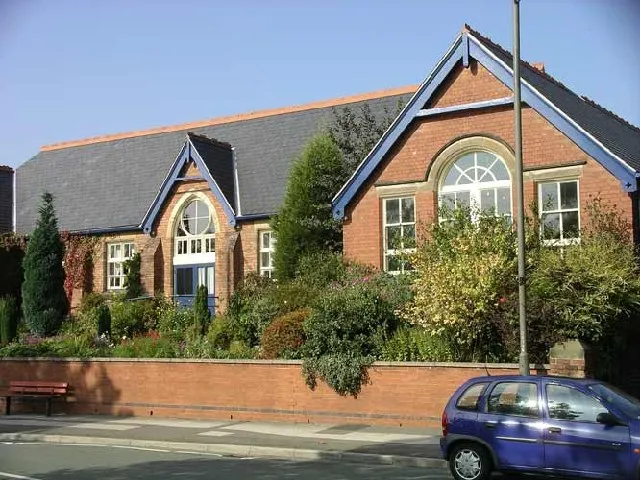
Photo: mike smith, CC BY-SA 2.0, via Wikimedia Commons
Every community centre has a founding story, but few begin quite as humbly as ours. In 2004, Al-Baraca Community Association consisted of a dozen families, one borrowed basement beneath a shuttered shopfront, and a biscuit tin that doubled as the treasury. Today, the association operates from a purpose-refurbished building with a hall, teaching rooms, and a kitchen that has fed thousands. This is how that happened — told, as much as possible, in the words of the people who made it.
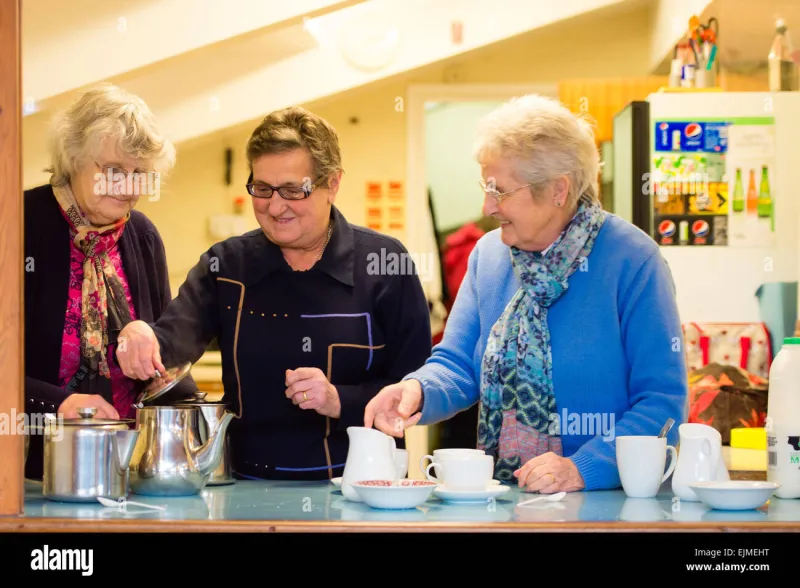
A Room, a Kettle, and a Committee
The early meetings were, by all accounts, cold. The basement had heating that worked on good days, and the rent was covered by rotating collections after Friday prayers. Founding member and former treasurer Brother Yusuf D. recalls the arithmetic of those years plainly: "We had thirty pounds some weeks. The kettle cost us more than we expected. But nobody ever suggested stopping."
What the basement lacked in facilities, it made up for in purpose. Weekend classes for children ran from the outset, as did a small food collection for families struggling through winter. The pattern was set early: identify a need, and find a way — however improvised — to meet it.
The Fundraising Years
The move from basement to building took the better part of a decade, and it was funded in increments that would be familiar to any community organisation. There were jumble sales in the church hall down the road (a partnership that endures to this day), sponsored walks along the canal, and the famous — or infamous — annual curry night, at which founding member Sister Halima K. once auctioned her own homemade samosas for a sum she still describes as "frankly unreasonable".
Larger grants followed. A National Lottery Communities Fund award in 2011 provided the deposit that made a purchase viable, and the association's first proper premises — a former builder's merchant on a side street — was bought in a state the committee generously describes as "full of potential".
Planning, Patience, and Permission
Money, it turned out, was only half the battle. The change-of-use application consumed eighteen months and two refused submissions. The council's planning officers raised legitimate concerns about parking, fire exits, and noise, and the committee learned — sometimes the hard way — how to answer them.
"We went to every hearing," remembers Brother Yusuf. "We brought letters from the neighbours. We brought the traffic survey. We learned that the council is not your enemy; they just need to see you've done your homework."
The third application succeeded in 2013. The refurbishment that followed was largely volunteer-led: electricians and plasterers from within the community donated their weekends, and the main hall floor was laid by a team of eleven men whose combined tiling experience was, by their own admission, negligible. It has not creaked since.
Opening the Doors
The centre formally opened in 2015, and the opening photograph — a line of members spanning four generations, holding one enormous ribbon-cutting pair of scissors borrowed from a local haberdasher — still hangs by reception.
Since then, the building has hosted after-school clubs, elders' coffee mornings, welfare surgeries, wedding receptions at cost price for families who couldn't afford a venue, and emergency shelter coordination during the storms of 2022, when the hall became a temporary rest point for residents without power.
An Archive, and an Invitation
As part of our twentieth year, we have begun digitising our archive: minutes from the first basement meetings, photographs of the tiling crew, the biscuit tin itself (now retired with honour). If you hold photographs, letters, or memories from those early years, the committee would be glad to hear from you.
More importantly, we are inviting the next generation to pick up the work. The people who carried those buckets along the canal are a decade older. The centre needs trustees, sessional volunteers, and young people willing to sit on a committee and learn how a community is actually run.
The basement families did not build this for themselves. They built it for whoever came next. Twenty years on, whoever comes next is you.