No One Should Eat Dinner Alone: Ten Practical Ways We're Tackling Isolation on Our Streets
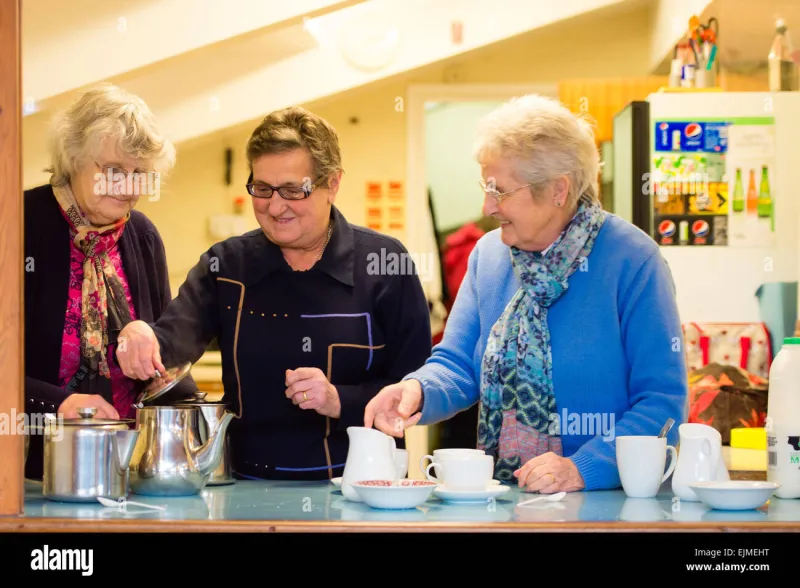
Photo: diverse elderly and young volunteers chatting at community centre coffee morning UK, via c8.alamy.com
The Quiet Problem on Our Doorstep
Government research suggests millions of people in the UK feel lonely often or always, and the effects are not merely emotional — chronic isolation is associated with health risks comparable to smoking. In our own ward, we see it plainly: the elderly Pakistani widow who speaks to no one between Fridays; the Syrian family three streets away, a year in Britain and still without a single visitor; the retired bus driver whose main conversation of the week is with a checkout assistant.
The good news is that loneliness is one of the few social problems that ordinary people can solve directly, street by street. Below are ten ways our association is doing exactly that — and how you can join any of them this month.
1. Thursday Coffee Mornings
Every Thursday from 10am, our main hall hosts tea, coffee and home baking, with a free minibus service collecting residents who cannot walk far. Attendance has doubled in two years, largely because of word of mouth.
Join in: Simply turn up, or call the centre to book the minibus. Bakers are always welcome.
2. The Befriending Phone Rota
For those who cannot leave home, our volunteers make a scheduled weekly call to around forty residents. Fifteen minutes, same caller each week, so a genuine relationship can form.
Join in: Contact the office to be paired with a phone friend. Training and a suggested conversation guide are provided.
3. Food Bank Shifts
Isolation and food insecurity travel together. Our collection point, staffed entirely by volunteers, also functions as an informal drop-in — many recipients come for the conversation as much as the parcel.
Join in: Shifts run Tuesday and Saturday mornings. Sign up for a single session to start; no long-term commitment required.
4. Youth Mentoring
Teenagers can be profoundly lonely too, particularly young people navigating two cultures. Our mentoring scheme pairs secondary-school pupils with vetted adult mentors for fortnightly meetings, homework support and, just as importantly, someone who asks how they actually are.
Join in: Mentors complete a short DBS check and a two-hour induction. Enquire via the youth team.
5. English Conversation Circles
New arrivals often describe language, not distance, as the loneliest barrier. Our free Wednesday evening conversation circles pair learners with fluent speakers over tea — no curriculum, no exams, just talk.
Join in: Learners and conversation partners both welcome. No teaching qualification needed.
6. The Walking Group
A gentle Saturday-morning walk, roughly an hour, ending at the café. Routes are pram-friendly and paced to the slowest walker. For many attendees, it is the only structured exercise and company in their week.
Join in: Meet at the centre gates, 9:30am, every Saturday. No booking.
7. Befriending Visits to Care Homes
Our volunteers visit two local care homes monthly, spending time with residents — including several elderly members of our own community whose families live abroad.
Join in: Visits are the first Sunday of each month. Ring the office to be added to the rota.
8. The Good Neighbour Scheme
A simple matched-benefits arrangement: residents who can offer an hour — lifting shopping, changing a lightbulb, sitting with someone — are matched with neighbours who have asked for help through our referral form.
Join in: Register as a helper or request assistance through the website form or at reception.
9. Eid and Christmas Open Days
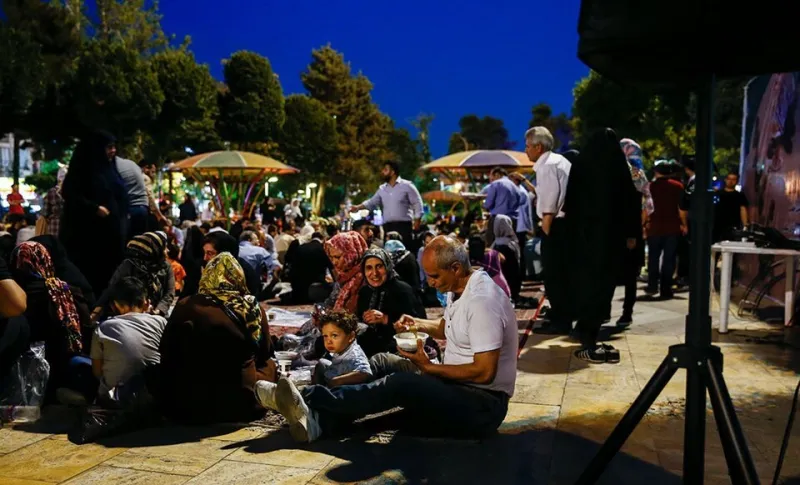
Twice a year we open our doors for full community meals where no one eats alone — Eid celebrations in summer, and a shared Christmas lunch in December with our partner churches, attended last year by over 200 people of all faiths and none.
Join in: Volunteer as a cook, driver or table host ahead of each event; dates are announced in the newsletter.
10. The Welcome Pack for New Arrivals
Every new family we learn of receives a pack: local map, GP registration guidance, bin day card, and — most valued — the phone number of a named volunteer who will show them around.
Join in: Tell us when a new neighbour moves in, or volunteer to be a named welcomer for your street.
Small Acts, Measured Results
We track what we can: calls made, parcels packed, walks attended. But the truest measure came from Sister Halima, 81, who told our coordinator last month, "Thursday is the day I wash my hair for. That's what your coffee morning gave me back."
One street, one hour, one phone call at a time — that is how a neighbourhood stops being a place where people merely live, and becomes one where they belong.