Thirty Days of Dawn: A Look at How Our Neighbourhood Keeps Ramadan
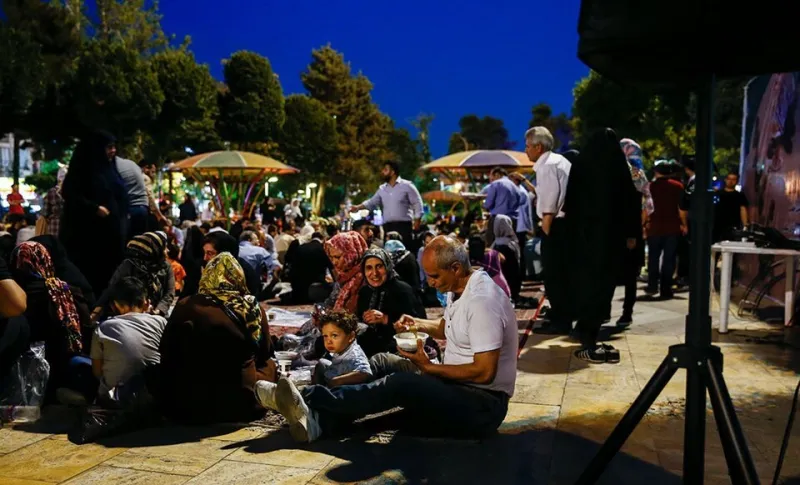
Photo: Hossein Mersadi, CC BY 4.0, via Wikimedia Commons
When the Alarm Goes Off at 3am
For most of the year, the streets around our community centre are quiet at half past three in the morning. During Ramadan, a different rhythm takes hold. Lights flicker on in kitchen windows, the smell of warm parathas and porridge drifts from stairwells, and families gather — some bleary-eyed, some wide awake — for suhoor, the pre-fast meal.
For Brother Ibrahim, who has been a member of our association for over two decades, the routine has changed little since his children were small. "We used to wake them gently with a glass of milk and dates," he told us. "Now they wake us. My granddaughter sets three alarms. She's ten."
Working families have their own adaptations. Nasreen, a teaching assistant at a local primary school, prepares overnight oats and boiled eggs the evening before, so suhoor takes fifteen minutes rather than an hour. "You learn to plan," she laughs. "Ramadan is the most organised month of my year."
Fasting in a British Spring
The long daylight hours of a British Ramadan — with fasts stretching towards nineteen hours in later years — demand practical adjustments. Employers across the area have grown accustomed to flexible requests: shifted lunch breaks, earlier finishes, leave for Eid. Our association has published a short guide for local workplaces on supporting fasting staff, and several firms on the high street now display small 'Happy Ramadan' cards in their windows.
Schools, too, have become more understanding. Younger children are encouraged to try short fasts if families wish, with quiet spaces provided at break times, while exam-year students are reminded that exemptions exist for those sitting GCSEs and A-levels. "The month is meant to be manageable, not a hardship contest," explains our youth coordinator, Sumaya. "Balance is part of the teaching."
The Table That Grows
If suhoor is intimate, iftar is expansive. Each evening, the association's main hall fills with the sound of cutlery and conversation as between eighty and two hundred people share the meal that breaks the fast. Dates and water first, then maghrib prayer, then the main course — a rotating roster of dishes that reflects the community itself: Somali sambusas, Pakistani haleem, Bengali shorshe ilish, and, without fail, a tray of sausage rolls contributed by a neighbour down the road who is not Muslim but has not missed a single community iftar in six years.
"That's what the month is for," says our chair, Abdul Rahman. "An empty stomach makes room for other people."
A Mini-Guide for Curious Neighbours
We are often asked by non-Muslim residents how best to acknowledge the month. The essentials are simpler than you might think:
- You don't need to fast. A friendly 'Ramadan Mubarak' — meaning blessed Ramadan — is always warmly received.
- Timing matters more than food. Inviting a fasting colleague to a midday meeting is fine; a working lunch at the desk is kinder to postpone.
- Come to iftar. Our open evenings run every Saturday through the month, and all are welcome. Booking is not required, though arriving hungry helps.
- Ask questions. Most of us would far rather explain than be politely ignored.
Charity in Full Flow
Ramadan is also our busiest fundraising season. This year's drives include a nightly food collection for the local food bank, a sponsored sleep-out by the youth group raising funds for the homeless shelter on Church Lane, and the annual Zakat distribution coordinated with three partner charities. Last year, the community contributed over £38,000 across the month — money that stayed largely within the postcode.
Where to Eat After Sunset
For those breaking fast away from home, several local restaurants are offering iftar set menus this year. The grill house on the high street serves a two-course sunset menu from 6pm; the bakery next door is running a 'date and tea' box for collection before maghrib; and the new café by the station has extended its opening hours past midnight for the duration. A full, updated list is available at the community centre noticeboard and on our website.
Thirty Days, One Habit of Kindness
By the time Eid arrives — with its morning prayers, its queues for samosas, its children clutching envelopes — the hope is that something of the month lingers: the habit of checking on a neighbour, of eating together, of giving without being asked. Ramadan ends. The community, if we do it right, does not.