Quiet Work, Real Help: A Plain-English Guide to the Services Hiding Behind Our Front Door
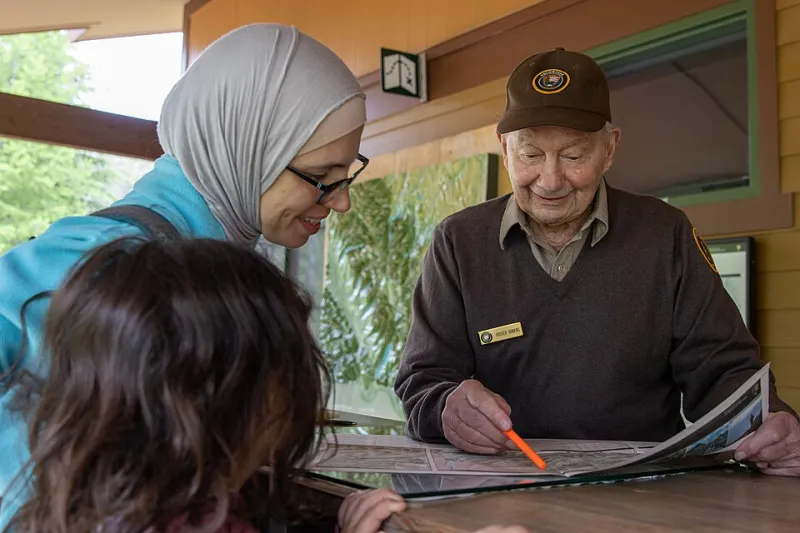
Photo: GlacierNPS, Public domain, via Wikimedia Commons
Ask most people what a community association does and they will mention the hall, the children's classes, perhaps the summer fête. That is fair — those are the visible parts. But a good deal of what we do at Al-Baraca happens in a small side room, one appointment at a time, and never makes the noticeboard. This guide exists because too many neighbours only discover these services after years of living two streets away.
1. Form-Filling Support for New Arrivals
Who it's for: Anyone navigating UK paperwork for the first time — new arrivals, recent refugees, or anyone whose confidence with official forms has taken a knock.
How it works: Trained volunteers sit with you, read the form aloud if helpful, and help you complete it accurately. We do not give immigration advice (that requires regulated advisers, and we can refer you to them), but we can help with everything from GP registration to school admissions.
One example: A woman who arrived last autumn, unable to read English, needed to register her son at a school with a deadline of nine days. Two sessions with a volunteer later, the application was in, and the boy started on time. She now volunteers herself on Wednesdays.
2. Benefits Appeals and Reconsideration Letters
Who it's for: People whose benefit claims — PIP, Universal Credit, ESA — have been refused or downgraded.
How it works: We help you gather evidence, understand the decision letter, and draft a mandatory reconsideration request. Where a case goes to tribunal, we refer you to partner organisations who can represent you.
One example: One gentleman's PIP claim was refused after an assessment he describes as "a bad morning". With help assembling his medication list and a supporting letter from his GP, his reconsideration succeeded. He asked us to say only this: "Don't take the first no as the final answer."
3. Youth Mentoring
Who it's for: Young people aged 11–18 who would benefit from a consistent, trusted adult who isn't a parent or teacher.
How it works: Mentors are DBS-checked volunteers who meet fortnightly, often over food, to talk through school, work, and everything else. Referrals come from families, schools, or the young people themselves.
4. Weekend Madrasa and Arabic Classes
Who it's for: Children aged 5–14, at every level of prior knowledge.
How it works: Saturday and Sunday morning sessions cover Quranic reading, Arabic, and Islamic studies, taught in small groups. Fees are kept deliberately low, and a hardship fund covers places for families who need it — quietly, and without ceremony.
5. Bereavement Support
Who it's for: Anyone in the community who has lost someone, of any faith or none.
How it works: A small team can help with the practical aftermath — registering a death, notifying utilities, understanding probate basics — and can arrange visits or signpost to professional counselling. In the weeks after a funeral, when casseroles stop arriving and the paperwork begins, this is often when people need us most.
One example: A widow in her seventies, new to the area, faced fourteen letters from fourteen organisations in her first month alone. A volunteer helped her work through them one envelope at a time. She still attends the Thursday coffee morning.
6. Welfare Surgery with the Citizens Advice Partnership
Who it's for: Anyone with debt, housing, or employment worries.
How it works: Once a fortnight, an adviser from our local Citizens Advice holds sessions in the side room. Book through reception; no question is too small.
7. The Winter Warm Bank
Who it's for: Anyone — and we mean anyone — struggling with heating costs between November and March.
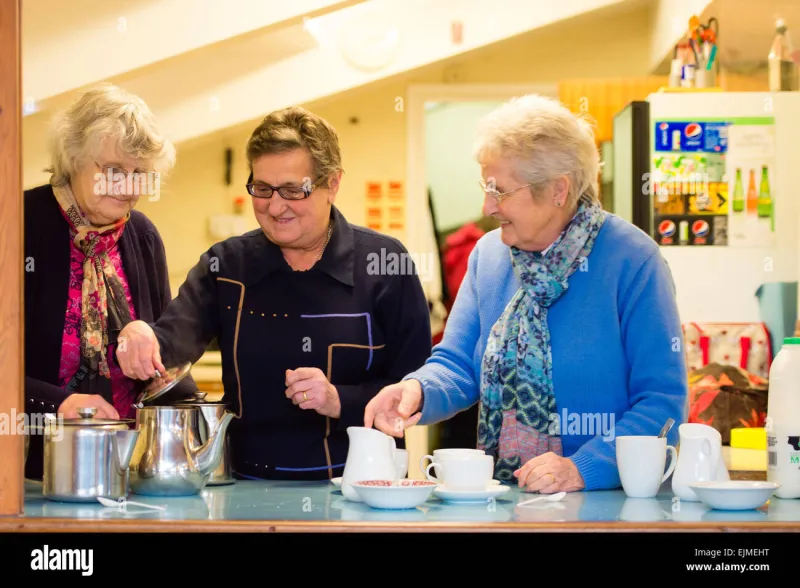
How it works: The main hall opens on the coldest afternoons with hot drinks, board games, and charging points. No referral, no means test, no questions. Last winter it averaged thirty visitors a session, most of whom came, they said, "mainly for the company".
How to Reach Us
All seven services begin the same way: ring reception, email the office, or simply knock. If we cannot help directly, we will find the person who can. And if you have skills that match any of the above — the form-filling team and the warm bank are both short of hands — the volunteering door swings both ways.