Beyond the Application Form: Three Jobseekers, Three Saturdays and the Slow Work of Getting Hired

Photo: Greg Henshall, Public domain, via Wikimedia Commons
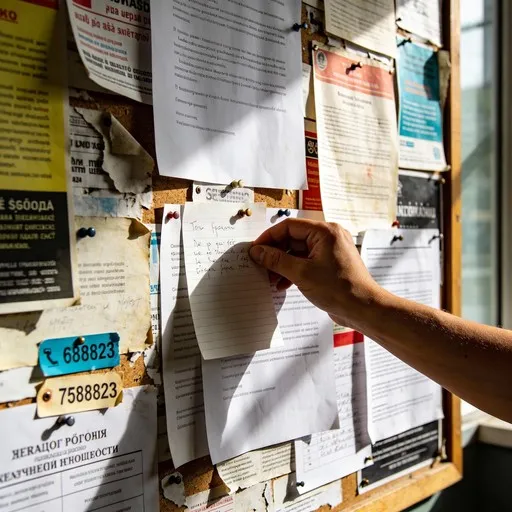
The hall smells of toast by 9.45am. By ten, three tables have been pushed together near the window, a laptop has been set up beside the printer, and the first jobseeker of the day is hanging her coat on the back of a chair. Nobody calls it a job club. The handwritten sign on the foyer board — the same board that has outlasted every app we have ever tried — simply says: CV help, every Saturday, all welcome, tea provided.
And yet, over the past two years, this unassuming session has helped more than a hundred local people move closer to work. Some have landed interviews within weeks. A handful now hold permanent contracts with employers on our own high street. What follows is not a boast, but an attempt to understand why it works — through the stories of three people who turn up week after week.
The School Leaver Who Needed Someone to Say Yes
Jayden is seventeen and left college in the summer with a Level 2 qualification, a phone full of rejected applications and, in his own words, "nothing to put on a CV anyway."
The first volunteer who sat with him did not open a template. She asked him what he had actually done in the last two years — and then wrote it down. Cash-handling shifts at a car boot sale. Looking after a younger cousin after school. The five-a-side league he helps organise on Sundays. Reframed properly, those are reliability, responsibility and initiative. The CV now runs to a tidy single page.
What Jayden needed, though, was not formatting. It was permission to believe the applications were worth sending. That arrived gradually, over four or five Saturdays, mostly in conversations that wandered far from employment — football, his mum's night shifts, the bus routes he can and cannot afford.
In November he was invited to interview at a warehouse in Eltham. We practised in the hall, one volunteer playing a stern manager, another timing his answers. He got the job. He still comes in sometimes, now on the other side of the table, helping the next school leaver spell "dependable."
Returning After Fifteen Years Away From Work
Amina's situation could hardly be more different. Fifty-one, three grown children, and fifteen years out of formal employment caring for her mother. Her confidence, when she first arrived, was thinner than her CV.
"I thought they'd laugh at the gap," she told us. What the volunteers did instead was treat the gap as what it was: a decade and a half of unbroken, unpaid care work. The session helped her translate it into language employers recognise — medication management, appointment coordination, budgeting under pressure — and pointed her towards a Level 1 care qualification funded through a local adult education provider.
Six Saturdays in, she completed a mock interview and, for the first time, did not apologise for pausing before answering. She has since had two real interviews for care assistant roles and expects to hear back about a third shortly. Her advice to others in her position is characteristically brisk: "Bring your paperwork and don't be proud. They know what they're doing."
Fifty-Eight and Starting Over
Malcolm worked for the same haulage firm for twenty-two years before redundancy. At fifty-eight, he found himself competing in a jobs market that had moved on without him — online-only applications, video interviews, applicant tracking systems that filter CVs before a human reads them.
His Saturdays here have been less about confidence and more about translation. A volunteer helped him record a two-minute video introduction on a phone. Another walked him through setting up job alerts and, crucially, taught him that an application form is a sales document, not a confession. His covering letters now lead with his safety record and his reliability rather than his age.
He has had three interviews since October. None have turned into offers yet, and he is honest about how dispiriting that can feel. But he keeps coming, partly for the help and partly, he admits, for the company. "You can't sit at home refreshing your emails," he says. "Here, at least someone knows your name and asks how it went."
Why the Tea Comes First
If there is a single lesson from watching these three, it is that the informal atmosphere is not incidental to the service — it is the service. A jobcentre appointment is fifteen minutes and transactional. A Saturday morning here can run two hours, meander through personal circumstances, and return the following week without an appointment.
Trust, in other words, is built at the same pace as the CV is improved, and the two reinforce each other. People disclose things over a second cup of tea — a caring responsibility, a health condition, a gap in their history — that no form ever asks about, and which change the advice entirely.
For other community groups considering something similar, the model needs remarkably little: a handful of volunteers with patience rather than HR credentials, a laptop and printer, access to current local vacancies, and the discipline to keep the kettle on. The cost is modest; the return, measured in pay slips and confidence, is not.
The sessions run every Saturday, 10am to 12.30pm, in the main hall. No booking needed — just turn up, and the tea will be waiting.