From Warehouse Door to Kitchen Table: Twelve Hours Behind Our Weekend Food Distribution
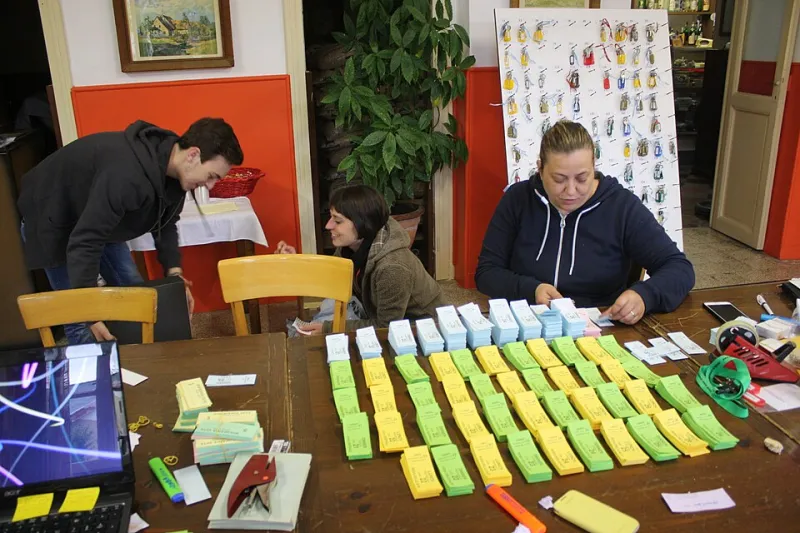
Photo: Dario Crespi, CC BY-SA 4.0, via Wikimedia Commons
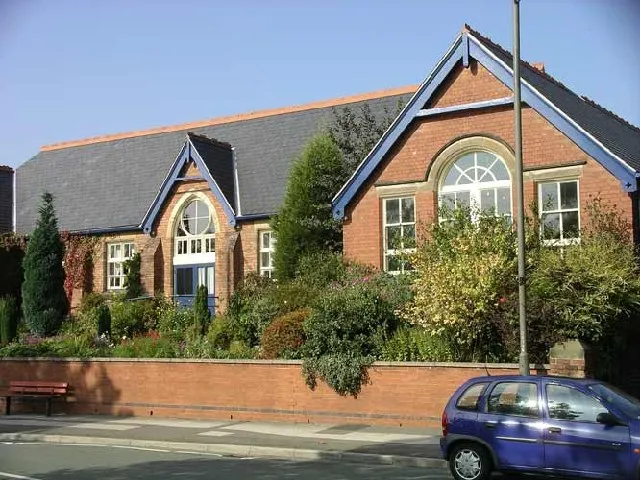
At ten to six on a Saturday morning, the high street is silent except for the hum of a refrigerated van reversing into the car park behind the Al-Baraca Community Association hall. By six, the headlights are off, the tail lift is down, and the first shift of the day begins.
This is the start of a distribution that will, by mid-afternoon, have placed food on the tables of roughly two hundred families across the neighbourhood. What makes it unusual is not the scale but the manner of it: no queue snaking down the pavement, no clipboard at the door. Just a quietly organised system built on dignity first.
The Collection Run
The morning belongs to Rafiq and Sandra, the two drivers who between them have covered the collection route for the past four years. Their first stop is a large supermarket on the ring road, where the store's community champion hands over crates of surplus — bread baked the day before, vegetables cosmetically imperfect but perfectly edible, chilled items approaching their display date.
"People assume it's leftovers," Sandra says, lifting a crate of courgettes into the van. "It isn't. It's good food that happens to be surplus. A supermarket can't sell a loaf dated tomorrow, but a family can absolutely eat it tonight."
Two further stops follow: a wholesaler near the industrial estate and a second supermarket closer to town. By half past eight, the van is full and the hall is waiting.
Sorting, Weighing, Packing
The second shift — a dozen or so volunteers, several of them students from the local sixth form — takes over at nine. The hall's main room becomes a production line of sorts. Tins and dry goods are checked, dated and grouped. Fresh produce is sorted into crates. Anything past safe use is set aside for composting rather than the bin.
Every kilogram is weighed and logged, a requirement of the redistribution scheme the association joined three years ago. The records matter: they demonstrate to donor stores that their surplus is handled properly, and they tell the volunteers themselves a story. Last year, the operation redirected just over eighteen tonnes of food that would otherwise have gone to waste.
Why There Is No Queue
The most common question visitors ask is where the queue is. The answer is that there isn't one, by design.
Families are referred through a simple, confidential process — via the school family liaison officer, the GP social prescribing team, or a quiet word to any trustee. Bags are packed to order rather than distributed buffet-style, which means a household with a Halal requirement, a nut allergy or a baby in the house receives a bag that reflects that. Collection happens in half-hour windows spread across the afternoon, so no more than a handful of people are ever in the hall at once.
"Nobody should have to stand in the rain to be seen asking for help," says Amina, who coordinates the afternoon rota. "The point was never to make a spectacle of need. The point was to feed people."
The People Who Make It Work
The rota currently holds thirty-one names. Some volunteers have been there since the beginning; others joined after a one-off helping hand became a habit. There is Derek, a retired van driver who has opinions about stacking techniques that are strongly held and always correct. There is Yusuf, fourteen, who started by carrying crates for his mother and now runs the weighing station with a clipboard and an air of authority.
The donor stores are part of the story too. The community champions at both supermarkets have become familiar faces, and the relationship is a two-way street — the association provides feedback on what's useful, which shapes what gets set aside.
The Last Bag
By four o'clock, the final collection window closes. The hall is swept, the fridges are wiped down, and the small team of closers sits with tea and the last of the shortbread someone's grandmother sent in. Two hundred bags, give or take, have gone out of the door.
The operation costs the association little in cash terms — the food is donated, the hall is already ours — but it runs entirely on the currency that matters: time. If you have a Saturday morning free once a month, a driving licence, or simply strong arms and a patient temperament, the rota has space.
The van will be back at the warehouse door at six next Saturday. It would be good company.